
We offer play therapy for children ages three and up. This child-centered approach meets kids where they naturally communicate: through creativity, imagination, and play.


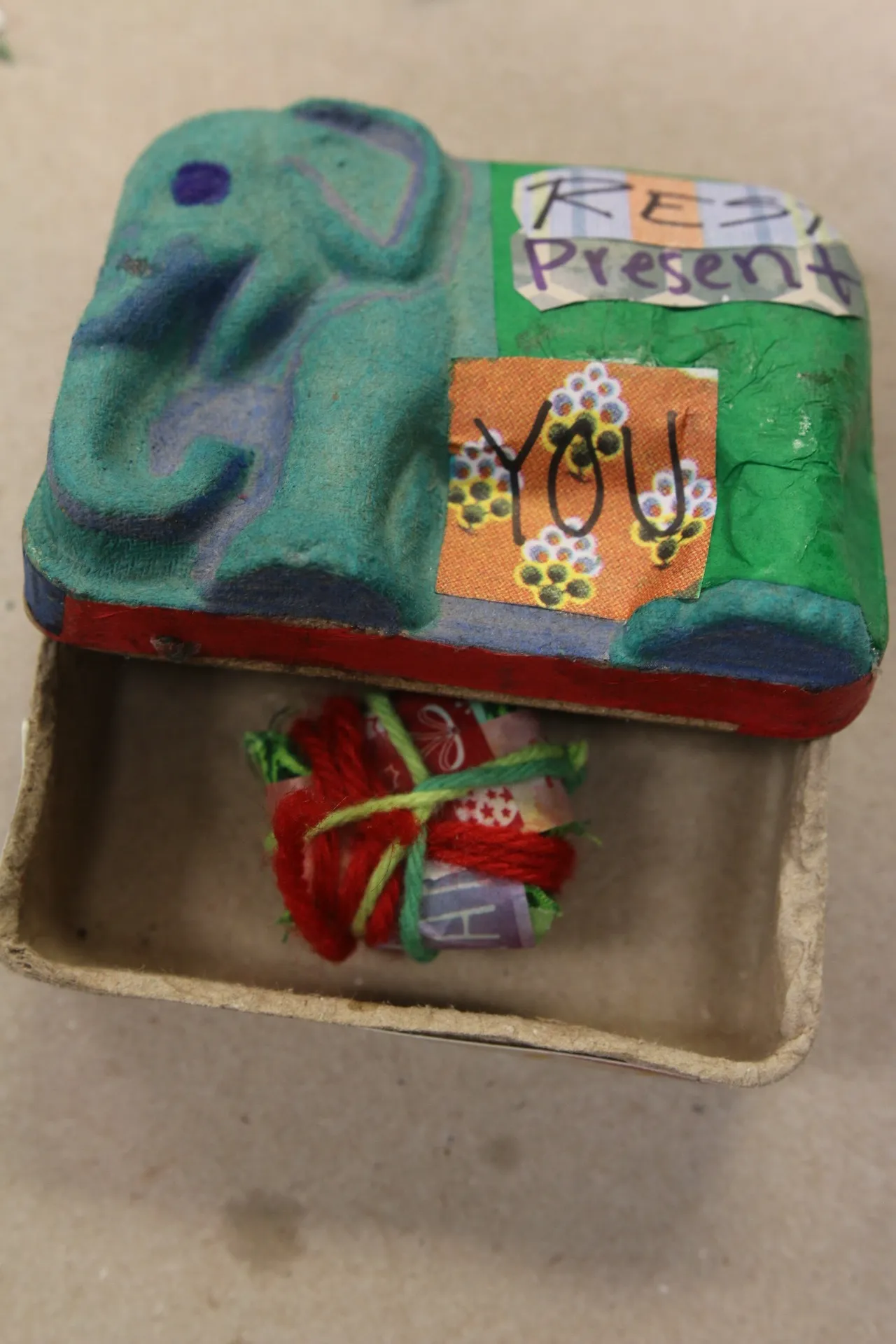
Children don't always have ways to explain what they're feeling. But they're never not communicating. It comes out in how they play, what they act out, what they avoid, and what they keep coming back to.
Play therapy involves creating a space where children can express what's happening inside without being asked to sit still and explain themselves. Through games, art, imaginative scenarios, board games, and other activities, children can process difficult experiences, work through big emotions, and build the coping skills they need at their own pace, in a way that feels completely natural to them.
Play therapy tends to help kids:
The Artful Life offers play therapy for children ages 3 through 12, in person at our Salem and Beverly counseling centers. It can be offered as a standalone service or woven into a broader treatment plan that includes family therapy or Parent Support Sessions.
Our therapists are trained to gently guide this process, observing and responding to what emerges in play with clinical intention. Nothing is accidental in the playroom. And parents are kept informed and involved throughout, so the work that happens in sessions extends into everyday life at home.
Without a space like this, children often carry what they can't articulate, and it shows up in behavior, sleep, school, and relationships. Play Therapy gives them somewhere to put it.
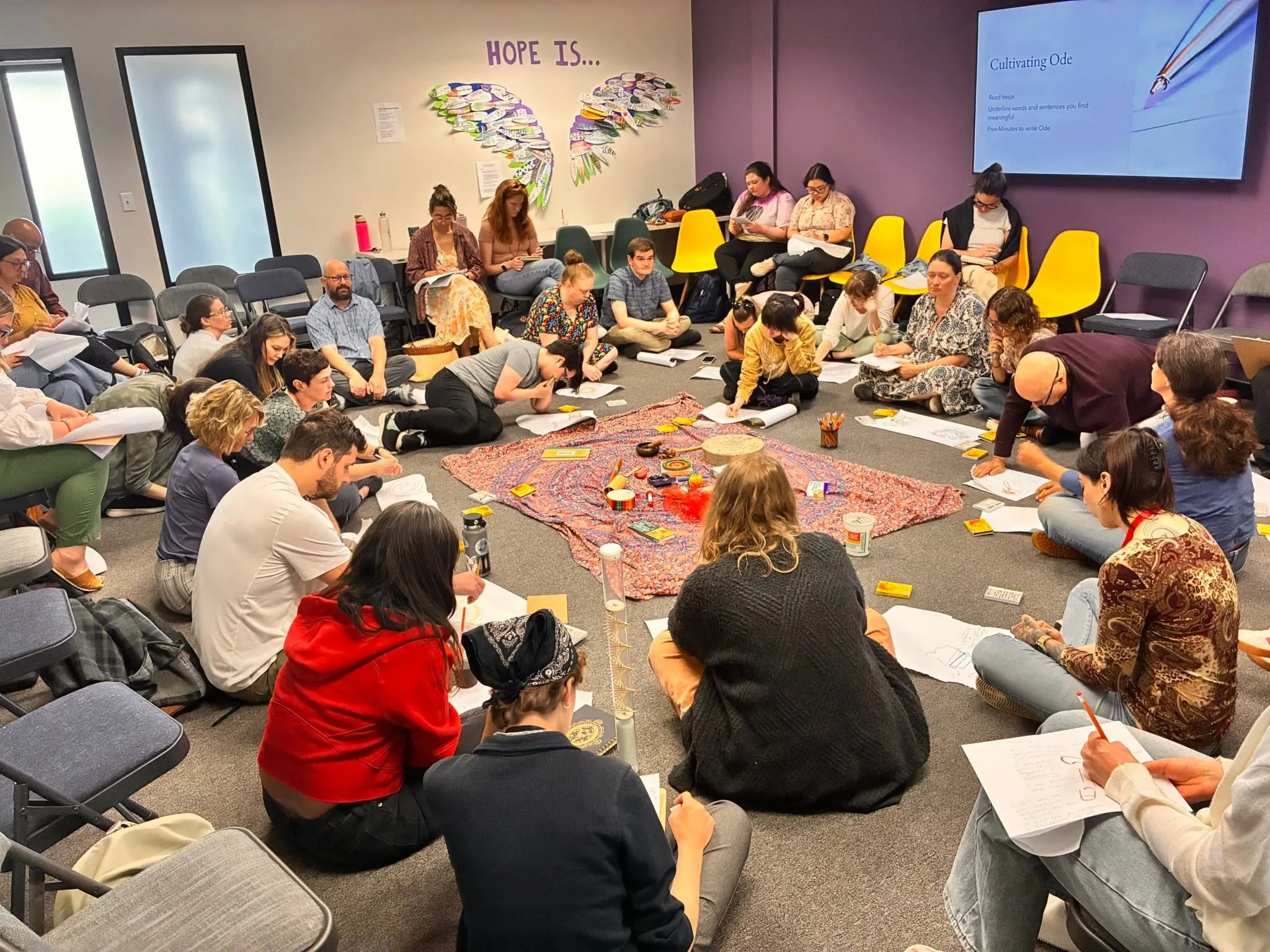
Founded in 2016 by Natalie and Madelene, The Artful Life is the North Shore's only Expressive Arts Therapy group practice of its kind. What started as a single studio has expanded into two locations in Beverly and Salem, MA, with a full team of masters-level licensed therapists serving clients of all ages.
Our child therapists bring specialized training in Play Therapy alongside Expressive Arts and Sandplay approaches, giving children a full range of ways to express themselves and be met with genuine skill and warmth.
Our work is guided by four core beliefs:

Play therapy often looks quite relaxed from the outside, but trust us when we say, it's a clinically guided process. Your child's therapist is trained to observe, respond to, and gently guide what emerges in play with therapeutic intention.
Every session has clinical purpose, even if it looks like fun.
We typically offer play therapy for children ages 3 through 12. For teens and adults, creative and expressive approaches like Drama Therapy, Music Therapy, Dance Therapy, and Art Therapy serve a similar function — using imaginative and creative experience as a therapeutic tool rather than relying purely on conversation.
Yes. Parent involvement is an important part of the process. We intentionally schedule parent consults every 4 to 6 weeks for continuity of care. Your child's clinician will communicate with you regularly in a way that keeps you informed and supports the work happening in sessions, while protecting the safe space your child needs to open up.
Absolutely. Play Therapy is one of our modalities we can bring to more traditional talk therapy sessions with your child. If you or your family see us for family therapy, Parent Support Sessions, we may recommend play therapy as a way for us to help your child express what it is they feel.
Your child's therapist will help determine what combination of approaches best supports their specific needs and goals.
Yes. We accept insurance from a range of providers including Aetna, WellSense, Carelon, Point32 Health, Blue Cross Blue Shield, and United Healthcare/Optum. See our full, up-to-date coverage list here.
Your child doesn't need the words. They just need the space. We're here to help.